
Team development is one of the most important parts of building a successful football team. A team is not simply a group of players wearing the same jersey. It is a group of individuals who learn to communicate, trust each other, understand their roles, and work toward the same goal.
In football, talented players can make a difference, but teamwork is often what turns individual talent into consistent results. Good team development helps players improve their technical skills, tactical understanding, communication, fitness, confidence, and decision-making.
Whether you are developing a youth football team, school team, amateur club, or competitive squad, having a clear development plan can help players and coaches create a stronger team.
What Is Team Development?
Team development is the process of improving how players work together while also helping individuals become better footballers. It includes training, communication, teamwork, leadership, tactical awareness, and building a positive team environment.
A well-developed football team understands that every player has an important role. A goalkeeper, defender, midfielder, and forward may have different responsibilities, but they must work together during every phase of the game.
The main purpose of team development is to create a team that can perform effectively as a unit rather than depending only on one or two talented players.
Why Is Team Development Important in Football?
Football is a team sport, so players must cooperate throughout the match. A team can have excellent individual players but still struggle if those players do not understand how to play together.
Effective team development can help players:
- Improve communication
- Understand different positions
- Develop trust between teammates
- Improve passing and movement
- Make better decisions
- Understand team tactics
- Build confidence
- Develop leadership skills
- Handle pressure more effectively
- Create a positive team culture
When players understand their responsibilities and trust their teammates, the team can become more organized and difficult to play against.
1. Set Clear Team Goals
One of the first steps in team development is setting clear goals. Players should know what they are trying to achieve during the season.
Goals can be related to performance, teamwork, technical development, or competition results.
For example, a football team might set goals such as:
- Improving passing accuracy
- Creating better attacking combinations
- Reducing defensive mistakes
- Improving communication
- Developing young players
- Reaching a specific competition stage
Goals should be realistic and measurable. Instead of simply saying, “We want to become better,” a coach can set a goal such as improving the team’s ability to maintain possession under pressure.
Clear goals give players something specific to work toward.
2. Build Strong Communication
Communication is a major part of successful team development. Players need to communicate with each other during training and matches.
Defenders need to communicate about positioning and opponents. Midfielders need to help organize the team and provide passing options. Attackers need to communicate about movement and space.
Coaches can improve communication by using small-sided games and training exercises where players must constantly communicate.
Good communication does not always mean shouting. Players can also communicate through eye contact, gestures, movement, and positioning.
3. Develop Trust Between Players
Trust is another important part of team development. Players need to believe that their teammates will perform their responsibilities.
For example, a defender should trust the goalkeeper to communicate behind them. A midfielder should trust a teammate to make a supporting run. An attacker should trust teammates to provide passes into useful areas.
Trust develops through regular training, teamwork exercises, and shared experiences.
Coaches can also encourage players to support each other after mistakes rather than blaming teammates.
4. Define Player Roles
Every player should understand their role within the team.
A coach should explain what is expected from each position. For example, defenders may be responsible for maintaining defensive shape, while midfielders may help connect defense and attack.
Attackers may be expected to create chances, press opponents, and make intelligent runs.
Clear roles reduce confusion during matches. Players can also understand how their individual responsibilities contribute to the overall team strategy.
However, players should also learn to adapt because football situations can change quickly.
5. Improve Tactical Understanding
Technical skills are important, but players also need tactical knowledge.
Tactical development teaches players how to position themselves, when to pass, when to press, when to defend, and how to create space.
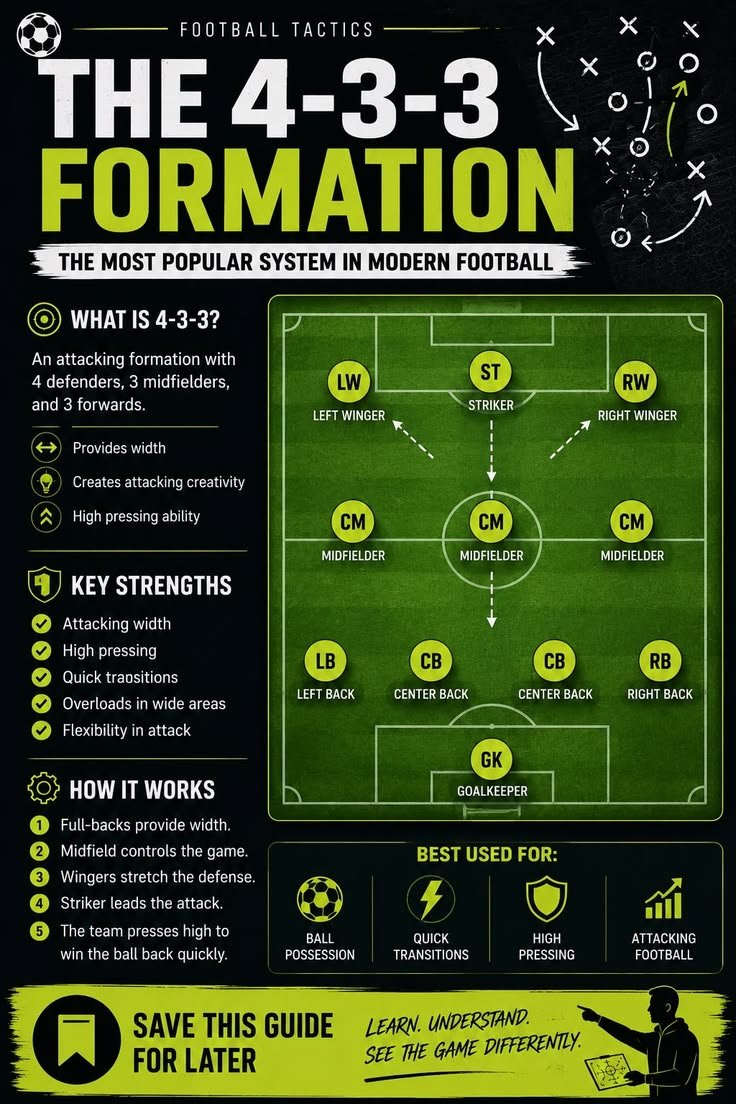
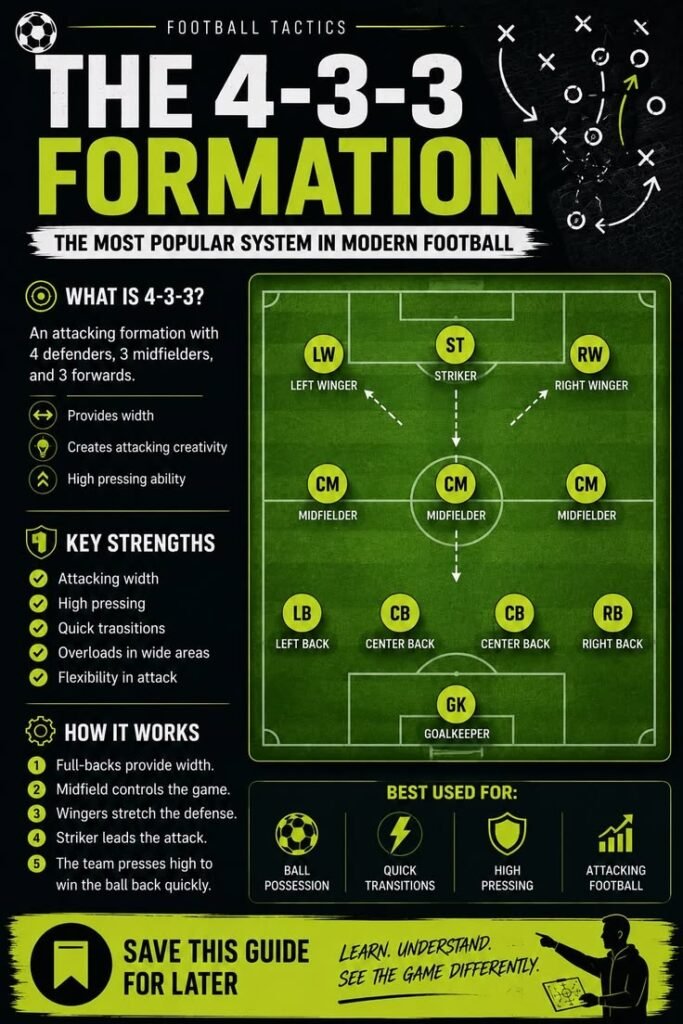
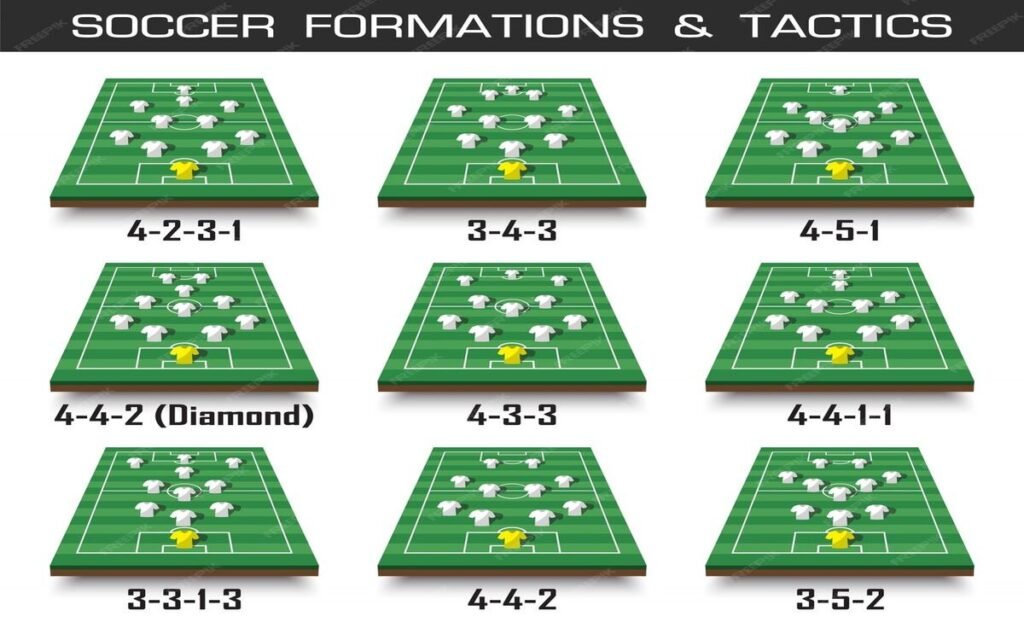
Coaches can use different formations and exercises to help players understand tactical concepts. For example, formations such as 4-3-3, 4-4-2, and 3-4-3 can teach players different approaches to attacking and defending.
The goal is not simply to memorize a formation. Players should understand why they are positioned in certain areas and how they should react when the situation changes.
6. Use Small-Sided Games
Small-sided games are an effective method for team development. Instead of playing a full 11-versus-11 match, coaches can create games with fewer players.
Examples include:
- 3v3
- 4v4
- 5v5
- 6v6
- 7v7
These games give players more opportunities to pass, dribble, defend, make decisions, and communicate.
Small-sided games can also make training more engaging. Because players are involved more frequently, they get more opportunities to practice important football skills.
7. Encourage Leadership
Leadership is not only the responsibility of the team captain. Every player can demonstrate leadership.
A good leader can encourage teammates, remain positive after mistakes, communicate clearly, and help the team stay focused.
Coaches can develop leadership by giving different players responsibilities during training sessions. For example, players can lead warm-ups, organize small exercises, or help younger teammates.
Developing several leaders can make a team stronger because responsibility is shared among the squad.
8. Create a Positive Team Culture
A positive environment can have a major impact on team development.Engaging in football can help children develop teamwork, leadership, and communication skills while providing a fun way to stay active.
Players should feel comfortable asking questions, making mistakes, and learning from them. Football training should be challenging, but players should also understand that mistakes are part of development.
A strong team culture includes:
- Respect
- Discipline
- Teamwork
- Encouragement
- Responsibility
- Fairness
- Hard work
Coaches and senior players should lead by example. If players see positive behavior from their coaches and teammates, they are more likely to follow it.
9. Balance Individual and Team Development
Team development does not mean ignoring individual players. In fact, individual development and team development should support each other.Players can improve their individual abilities through regular practice and focused football training tips, which can also contribute to stronger overall team performance
Every player has different strengths and areas that need improvement. One player may need to improve passing, while another may need to work on defensive positioning.
Coaches can create individual development goals while also including players in team-based exercises.
When individuals improve, the overall team can improve as well.
10. Review Training and Match Performance
Regular evaluation is important for long-term team development.
After training sessions and matches, coaches can review what went well and what needs improvement.
Questions can include:
- Did the team communicate effectively?
- Was the defensive shape organized?
- Did players create enough passing options?
- How quickly did the team react after losing possession?
- Did players understand their roles?
- What should be improved in the next training session?
Video analysis can also help players understand tactical mistakes and successful actions.
The purpose of evaluation should be improvement rather than simply criticizing players.
Common Challenges in Team Development
Developing a strong football team takes time. Coaches may face several challenges during the process.
One common problem is a lack of communication. Players may focus only on their individual performance instead of helping teammates.
Another challenge is disagreement between players. Competition for starting positions can sometimes create tension.
Different skill levels can also make development difficult, especially in youth football. Coaches should create training activities that challenge players while keeping them involved.
Patience is important because teams rarely become highly organized overnight.
The Role of the Coach in Team Development
The coach plays a central role in team development. A good coach does more than teach football techniques. They also help players understand teamwork, discipline, responsibility, and communication.
Coaches should provide clear instructions and constructive feedback. They should also listen to players and understand their concerns.
A strong coach creates an environment where players know what is expected of them and understand how they can improve.
How to Create a Team Development Plan
A simple team development plan can make the process more organized.
Start by assessing the team’s current strengths and weaknesses. Then choose a few important areas to improve.
For example:
Week 1: Communication and passing
Week 2: Defensive organization
Week 3: Attacking movement
Week 4: Pressing and transition
Week 5: Set pieces and match situations
The plan can be adjusted depending on the team’s progress.
It is better to focus on a few important areas and develop them consistently than to introduce too many concepts at once.
Final Thoughts on Team Development
Team development is a long-term process that combines individual improvement with teamwork. A successful football team needs more than talented players. It needs communication, trust, tactical understanding, leadership, discipline, and a positive environment.
Coaches can support development by setting clear goals, defining player roles, using effective training exercises, encouraging communication, and regularly reviewing performance.
When players understand that success depends on working together, they become more willing to support their teammates and take responsibility for the team’s performance.
With consistent training and the right approach, team development can help create a stronger, more confident, and better-organized football team.